Limbs Over the Roof and Shrubs Against the House: When to Trim
What grows against your house is a maintenance problem, and trimming it on time is cheaper than repairs.
October 8, 2026 · 4 min read
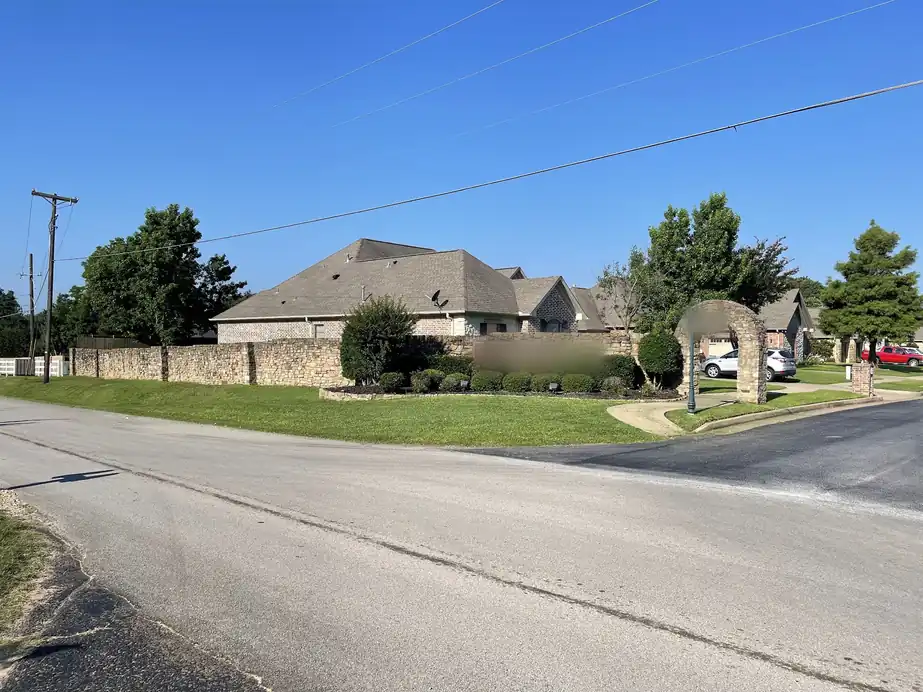
Walk around your house and look up. Is there a limb brushing the shingles? Shrubs pressed against the siding? A branch hanging over the driveway where you park? Those things don't feel urgent until a storm or a leak makes them urgent. Tree and shrub trimming near the house is one of the services on Polo's truck sign, and it is worth understanding before the weather forces your hand.
Why limbs over the roof matter
A limb that scrapes the roof in the wind wears the shingles a little more every time. Leaves and twigs collect in the valleys and gutters, hold moisture and stain the roof. Overhanging branches are also an easy bridge for squirrels and rats to get from the tree to the attic. And in a storm, a heavy limb right above the house is the one that comes through it.
A good rule is to keep branches a few feet clear of the roof, with more room for heavy limbs that will sag after a rain or when the tree is full of leaves.
Shrubs too close to the walls
- Airflow: shrubs packed against siding keep the wall damp, and damp walls collect mildew and invite insects.
- Windows and vents: branches scratch glass and screens, and growth that blocks a vent causes trouble.
- Visibility: tall shrubs by the front door or the driveway hide anything and anyone, and make backing out harder.
- Maintenance: you can't paint, wash or repair a wall you can't reach.
Keeping shrubs a foot or so off the wall lets air move and makes the house easier to look after. A customer review mentions a large oak trimmed and numerous bushes removed. Sometimes the right answer is not a trim but taking out a shrub that outgrew its spot.
When to trim what
- Hedges and non-flowering shrubs: light shaping through the growing season. Save hard cuts for late winter.
- Spring-blooming shrubs: trim right after the flowers fade, or you cut off next year's blooms.
- Crape myrtles: remove crossing and dead wood in late winter and leave the main trunks alone. Cutting them back to stubs makes weak, whippy growth.
- Oaks: do the work in the cooler months when you can. Spring cuts on oaks can cause problems in Texas, so unless a limb is a real hazard, wait.
- Dead or broken limbs: any time of year. They only get worse.
Storm limbs and what to do first
After a storm, resist the urge to walk under a hanging limb and tug at it. A broken limb caught in the canopy can drop without warning, and wet wood is heavy. Keep people and cars out from under it until it is dealt with.
Limbs touching or near power lines are a job for the utility company, not a lawn crew or a homeowner with a ladder. Call them and stay back.
For a limb that is already on the ground, speed matters. Guadalupe wrote in a review about being pleased with "how fast they hauled away a fallen tree limb on my driveway." A limb sitting on a driveway or across a fence only gets harder to move, and it can damage whatever is under it.
Cleanup matters as much as the cut. A trimmed limb left lying in the yard is still a problem, and it kills the grass under it. Plan on the brush leaving the property the same day, not sitting in a pile for weeks.
Why ladders and chainsaws are not a weekend project
Falls from ladders and chainsaw kickback put a lot of homeowners in the emergency room every year. Anything above shoulder height, anything heavy, and anything leaning toward the house is better left to a crew with the right gear and the habit of doing it. Ground-level shrubs and small branches are a different story. A good pair of loppers and a little patience will handle those.
Good cuts versus bad cuts
A clean cut just outside the branch collar, the slightly swollen ring where a branch meets the trunk, heals well. A flush cut into the trunk or a stub left sticking out heals poorly. Big limbs are cut in stages, a notch underneath first, so the weight doesn't rip a strip of bark down the trunk when it falls.
Topping a tree, which means chopping off the top and leaving stubs, does lasting harm. It makes weak regrowth and a tree that is more likely to drop limbs later.
Getting an estimate
Take a couple of photos from the ground, one of the whole tree or shrub and one of the problem spot. Note anything that worries you: a limb over the roof, a crack in a trunk, a shrub blocking a window. Send them with your address and you will get a faster answer. Polo gives free estimates and texts customers when he is on the way. Call or text him at (903) 245-6122.
Polo Lawn Services, (903) 245-6122
Call (903) 245-6122